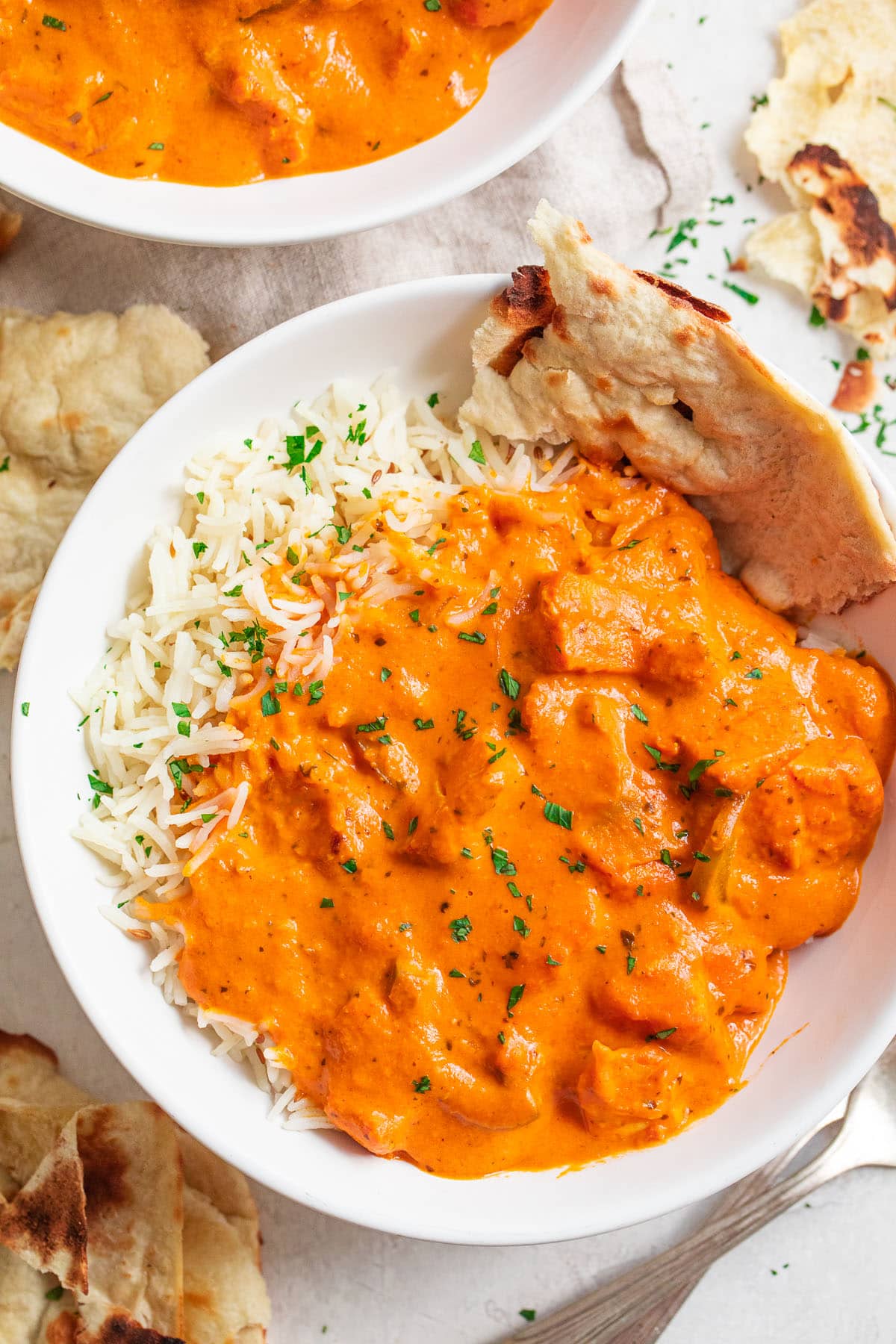
Mastering Restaurant-Style Chicken Masala at Home
There's a certain magic to the chicken masala served in your favorite Indian restaurant. The rich, aromatic gravy, the tender pieces of chicken, the perfect balance of spices – it's a culinary experience that many believe can only be replicated by professional chefs. But what if we told you that achieving that authentic, mouth-watering chicken masala Indian restaurant style is entirely within your reach, right in your own kitchen? This comprehensive guide will demystify the process, revealing the secrets to creating a dish that will rival your local curry house favorite.Deciphering the "Restaurant Style" Secret
What exactly makes a restaurant chicken masala so special? It's not just a secret ingredient, but rather a combination of techniques, high-quality components, and a deep understanding of flavor layering. Unlike home cooking, which often involves preparing a dish from scratch every time, many Indian restaurants employ efficient, flavor-building strategies. One of the cornerstones of restaurant-style Indian cooking is the use of a pre-prepared onion-tomato base or "bhuna" masala. This foundational gravy, cooked slowly and patiently until the oil separates, forms the backbone of countless dishes, allowing chefs to quickly assemble curries to order. While we won't be making a batch of base gravy in this single recipe, understanding its importance highlights the emphasis on *deeply cooked* aromatics. Another crucial factor is the generous use of fat – typically ghee or a neutral oil. This isn't just for cooking; fat carries flavor, helps brown ingredients beautifully, and contributes to the luscious texture of the final sauce. Don't be shy with it! Furthermore, the browning of onions to a rich, golden hue is paramount. This process, often rushed in home kitchens, develops a profound sweetness and depth that cannot be achieved any other way. Finally, the layering of spices, both whole and ground, at different stages of cooking ensures that each spice contributes its unique essence without overwhelming the dish. Marination also plays a significant role, allowing the chicken to absorb flavors and tenderize before hitting the pan. If you've ever wondered Why Indian Restaurant Chicken Masala Tastes So Good, these are some of the key takeaways to consider.Essential Ingredients for an Authentic Taste
To create an authentic chicken masala Indian restaurant style, the quality and type of your ingredients matter. Here's what you'll need: * Chicken: Boneless, skinless chicken thighs are highly recommended for their tenderness and ability to stay moist during cooking. Cut them into 1.5-2 inch pieces. Chicken breast can be used, but cook it carefully to avoid dryness. * Fat: Ghee (clarified butter) is the traditional choice for its rich, nutty flavor. If not available, use a neutral cooking oil like canola or vegetable oil. * Aromatics: * Onions: Finely chopped. Don't underestimate the power of properly caramelized onions. * Ginger-Garlic Paste: Freshly made is always best. Blend equal parts peeled ginger and garlic with a tiny splash of water if needed. * Whole Spices: Cumin seeds, green cardamom pods (lightly crushed), a bay leaf, and a small piece of cinnamon stick. These infuse the oil with foundational aromas. * Ground Spices: * Turmeric Powder: For color and earthy notes. * Red Chili Powder: Kashmiri chili powder is preferred for its vibrant red color and mild heat. Adjust to your spice preference. * Coriander Powder: Adds a lemony, earthy depth. * Cumin Powder: Enhances the cumin seeds and adds warmth. * Garam Masala: A finishing spice blend, added at the end for an aromatic flourish. * Dairy & Tomatoes: * Yogurt: Plain, full-fat yogurt (Greek yogurt thinned with a little water works too) for marination and a slight tang in the gravy. * Tomatoes: Canned crushed tomatoes or tomato puree provide consistent flavor and color. Fresh tomatoes can be used but may require longer cooking. * Fresh Herbs: Fresh coriander (cilantro) for garnish and flavor. * Kasuri Methi (Dried Fenugreek Leaves): A game-changer! Crushed between your palms, it adds a distinct, slightly bitter, yet deeply aromatic flavor characteristic of Indian restaurant dishes. * Water or Chicken Broth: For adjusting gravy consistency. Understanding these ingredients is key to unlocking the true flavors of Indian cuisine. For a deeper dive into ingredient selection and preparation, you might find our article Unlock the Secrets of Authentic Indian Restaurant Chicken Masala particularly helpful.The Step-by-Step Culinary Journey to Your Best Chicken Masala
Let's get cooking! Follow these steps carefully to achieve that coveted chicken masala Indian restaurant style.Step 1: The Marination Magic
In a large bowl, combine your chicken pieces with 1/2 cup plain yogurt, 1 tablespoon ginger-garlic paste, 1 teaspoon turmeric powder, 1 teaspoon red chili powder, 1 teaspoon coriander powder, and 1/2 teaspoon salt. Mix well to ensure every piece is coated. Cover and refrigerate for at least 30 minutes, or ideally 2-4 hours. The longer the better for flavor penetration and tenderness.
Step 2: Building the Aromatic Foundation
Heat 3-4 tablespoons of ghee or oil in a large, heavy-bottomed pot or Dutch oven over medium heat. Once hot, add the whole spices: 1 teaspoon cumin seeds, 3-4 green cardamom pods, 1 bay leaf, and a 1-inch piece of cinnamon stick. Sauté for 30-60 seconds until fragrant and the cumin seeds begin to sizzle. Be careful not to burn them.
Add 2 large finely chopped onions to the pot. This is a critical step that requires patience. Cook the onions, stirring frequently, for 15-20 minutes until they turn a deep golden brown. This caramelization is essential for the depth of flavor and color in your curry.
Once the onions are golden, add 2 tablespoons of fresh ginger-garlic paste. Cook for another 2-3 minutes, stirring constantly, until the raw smell disappears.
Step 3: The Spice Infusion
Reduce the heat to low. Add 1 teaspoon turmeric powder, 2 teaspoons red chili powder (adjust to taste), 2 teaspoons coriander powder, and 1 teaspoon cumin powder. Stir well and cook for 1-2 minutes, adding a splash of water (about 1/4 cup) if the spices start to stick or burn. Cooking the spices slowly in fat releases their full aroma and flavor.
Step 4: Tomato & Gravy Development
Add 1.5 cups of crushed tomatoes or tomato puree to the pot. Increase the heat to medium-low and cook, stirring occasionally, for 8-10 minutes until the mixture thickens and the oil starts to separate from the sides. This indicates the tomatoes are properly cooked and their raw acidity has mellowed. Add 1 teaspoon of salt at this stage.
Step 5: Introducing the Chicken
Add the marinated chicken to the pot. Stir well to coat the chicken with the masala. Increase the heat to medium and cook for 5-7 minutes, stirring occasionally, until the chicken pieces are lightly browned on the outside. This helps seal in the juices.
Step 6: Simmering to Perfection
Pour in 1 cup of water or chicken broth. Bring the mixture to a gentle simmer. Crush 1 tablespoon of Kasuri Methi between your palms and add it to the curry. Cover the pot, reduce the heat to low, and let it simmer for 20-25 minutes, or until the chicken is tender and cooked through. Stir occasionally to prevent sticking.
Step 7: The Grand Finale
Uncover the pot. Stir in 1 teaspoon of garam masala. If the gravy is too thick, add a little more hot water to reach your desired consistency. You can also swirl in 2-3 tablespoons of heavy cream or a pat of butter for extra richness, though it's optional. Cook for another 2-3 minutes to allow the garam masala to meld. Garnish generously with fresh chopped coriander.
