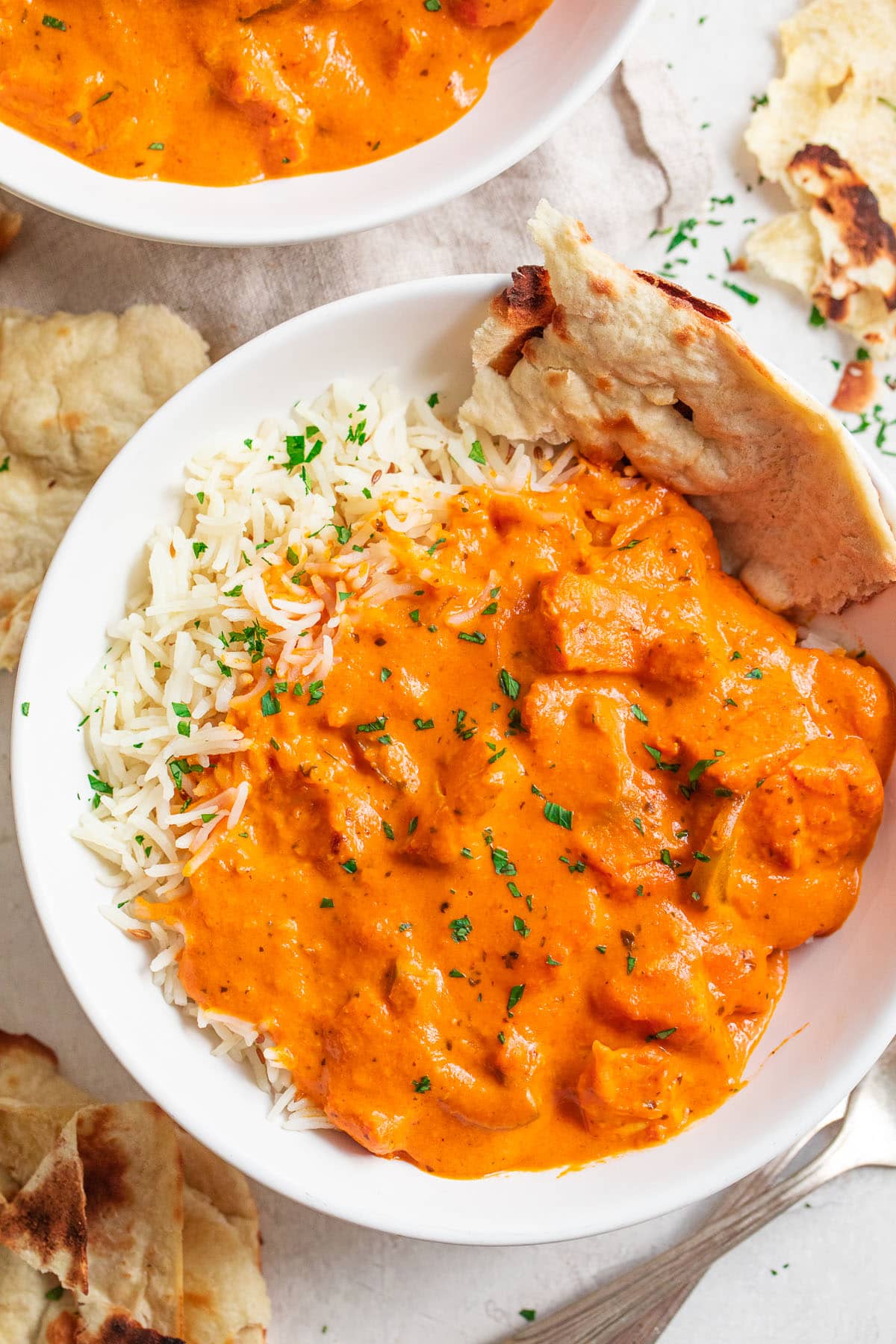
The intoxicating aroma, the rich, complex flavors, the perfect balance of spice and creaminess – there’s something undeniably captivating about the chicken masala Indian restaurant style. It’s a dish that transcends mere sustenance, offering a culinary journey with every spoonful. While many home cooks aspire to recreate that elusive restaurant magic, they often find their efforts falling short of the authentic taste and texture found in their favorite Indian eateries. This comprehensive guide aims to demystify the process, revealing the secrets that transform a simple chicken curry into an extraordinary chicken masala, just like the pros make.
The Undeniable Allure of Restaurant-Style Chicken Masala
What sets the Indian restaurant version of chicken masala apart? It's more than just a recipe; it's a philosophy of cooking that prioritizes depth, richness, and a layered flavor profile. Unlike many quick home-cooked curries, restaurant-style chicken masala is built on a foundation of meticulously prepared base gravies, slow-cooked aromatics, and precise spice blends. This approach ensures a consistency in taste and texture that keeps diners coming back for more.
One of the primary differences lies in the intensity of flavor. Indian restaurants often pre-prepare base gravies, such as onion-tomato or cashew-based pastes, which are cooked for hours to develop profound flavors. These gravies are then used as the starting point for various dishes, including chicken masala, ensuring a velvety texture and a consistent, deep taste that's hard to achieve from scratch in a typical home cooking session. The use of fresh, high-quality ingredients, combined with specific cooking techniques, elevates the dish from good to unforgettable. If you've ever wondered Why Indian Restaurant Chicken Masala Tastes So Good, these underlying principles are key.
Beyond the Spice Rack: The Role of Technique and Patience
- The Bhuna Process: This isn't just sautéing; it's the art of cooking onions, ginger, garlic, and spices until they are deeply caramelized and fragrant, releasing their essential oils and forming a rich, paste-like consistency. Rushing this step is a common mistake and directly impacts the final flavor.
- Layering of Flavors: Ingredients are added in a specific sequence, allowing each to cook and develop its unique taste before merging with the next. This creates a complex tapestry of flavors rather than a homogenous mix.
- Controlled Heat: Restaurants often cook their curries on a steady, medium-low flame for extended periods. This slow cooking allows the flavors to meld beautifully and the chicken to become incredibly tender without drying out.
Essential Ingredients and Their Impact on Authentic Chicken Masala
Achieving that perfect chicken masala Indian restaurant style requires a keen understanding of each ingredient's role. It's not just about what you add, but also the quality and how it's prepared.
The Core Building Blocks:
- Chicken: While breast meat can be used, bone-in chicken thighs are often preferred for their tenderness, flavor, and ability to withstand longer cooking times without drying out. Marinating the chicken in yogurt and spices is a crucial step that tenderizes the meat and infuses it with flavor from within.
- Aromatics: Fresh ginger and garlic paste are non-negotiable. Pre-made pastes often lack the pungency and freshness needed. Onions, finely chopped or puréed, form the backbone of the gravy, providing sweetness and body.
- Tomatoes: Ripe, juicy tomatoes (freshly puréed or high-quality canned crushed tomatoes) provide the necessary tang and color. The amount should be balanced to prevent the dish from becoming overly sour.
- Spices: This is where the magic happens. A balanced blend typically includes:
- Whole Spices: Cardamom (green and black), cloves, cinnamon sticks, bay leaves, star anise – used for initial tempering.
- Ground Spices: Cumin powder, coriander powder, turmeric powder, Kashmiri red chili powder (for color and mild heat), garam masala, sometimes a touch of fenugreek powder (methi).
- Cream/Yogurt/Cashew Paste: These are used to add richness, body, and a luxurious mouthfeel. Cream or yogurt adds tang and smoothness, while cashew paste provides a thick, nutty creaminess often found in milder restaurant curries.
- Fresh Herbs: Fresh coriander (cilantro) is essential for garnish and a burst of freshness. Dried fenugreek leaves (Kasuri Methi), gently crushed, add a distinctive, slightly bitter, aromatic note that is characteristic of many restaurant curries.
The quality of your spices makes a significant difference. Toasting whole spices before grinding them or using freshly ground spices enhances their aroma and flavor profile tremendously.
Mastering the Techniques for Unforgettable Restaurant Flavors
While the ingredients lay the groundwork, it's the specific cooking techniques that truly unlock the authentic chicken masala Indian restaurant style experience. This requires patience and attention to detail.
Step-by-Step Towards Perfection:
- Marination is Key: Begin by marinating your chicken. A simple marinade of yogurt, ginger-garlic paste, turmeric, red chili powder, and salt for at least 30 minutes (or preferably several hours) tenderizes the chicken and allows it to absorb flavors.
- The Flavor Base (Bhuna): Heat oil or ghee in a heavy-bottomed pot. Add whole spices like bay leaves, cardamom, cloves, and cinnamon and let them crackle. Then, add finely chopped or puréed onions and sauté them slowly over medium-low heat until they turn deep golden brown, almost caramelized. This can take 15-20 minutes. Do not rush this step.
- Aromatic Infusion: Add ginger-garlic paste to the browned onions and cook until the raw smell disappears, about 2-3 minutes.
- Spice Power: Reduce the heat to low. Add ground spices like coriander powder, cumin powder, turmeric powder, and Kashmiri red chili powder. Cook for a minute, stirring constantly, adding a splash of water if the spices stick to prevent burning. This allows the spices to bloom.
- Tomato Tang: Stir in tomato purée or crushed tomatoes. Cook this mixture, stirring frequently, until the oil separates from the masala and it thickens into a rich, glossy paste. This process, known as bhunao, is vital for a deep, concentrated flavor.
- Introducing the Chicken: Add the marinated chicken pieces to the masala. Increase the heat slightly and cook for 5-7 minutes, stirring occasionally, until the chicken is seared on all sides and coated well with the masala.
- Simmer to Perfection: Pour in a small amount of warm water or chicken stock, just enough to cover the chicken. Bring to a boil, then reduce heat to low, cover, and simmer for 20-30 minutes, or until the chicken is fork-tender and the gravy has thickened to your desired consistency. Stir occasionally to prevent sticking.
- Finishing Touches: Stir in a dash of garam masala, crushed Kasuri Methi, and fresh cream (if using). Cook for another 2-3 minutes until heated through. Taste and adjust seasoning (salt, spice, tang) as needed.
- Rest and Garnish: Remove from heat and let the chicken masala rest for at least 10-15 minutes. This allows the flavors to meld beautifully. Garnish generously with fresh cilantro before serving.
For a deeper dive into replicating these techniques at home, explore Mastering Restaurant-Style Chicken Masala at Home.
Practical Tips for Your Home Kitchen
Bringing the authentic chicken masala Indian restaurant style to your dining table is an achievable goal with a few key considerations:
- Invest in Quality: Fresh, good-quality spices make an enormous difference. Buy whole spices and grind them yourself for maximum flavor.
- Patience with Onions: This cannot be stressed enough. Fully caramelizing the onions forms the sweet, rich base of your curry. Don't rush it!
- Low and Slow: Most restaurant curries are not cooked quickly. Allow sufficient simmering time for the flavors to develop and the chicken to tenderize.
- Balance is Key: Continuously taste your gravy. Is it too sweet? Add a pinch more salt or lemon juice. Too spicy? A touch more cream or sugar can balance it.
- Heat Control: Use medium-low heat when adding ground spices and tomatoes to prevent burning and allow flavors to deepen.
- Use Ghee: While oil works, ghee (clarified butter) adds an unparalleled nutty richness and authentic aroma that is characteristic of Indian restaurant cooking.
- The Secret Weapon (Kasuri Methi): Don't skip the dried fenugreek leaves. Crush them between your palms before adding to release their unique aroma.
- Resting Time: Just like a good steak, letting your curry rest for a bit after cooking allows the flavors to deepen and settle.
Recreating the magic of chicken masala Indian restaurant style at home is a rewarding culinary adventure. It requires a blend of quality ingredients, specific techniques, and a good dose of patience. By understanding the roles of each component and committing to the "low and slow" philosophy, you can unlock the secrets to a truly authentic and incredibly delicious Indian restaurant chicken masala that will impress family and friends alike. So, gather your spices, hone your knife skills, and embark on this flavorful journey – your taste buds will thank you.
